headerphoto
Showing posts with label Perspective. Show all posts

The DaVinci Road -- Blazing a Trail for Learning

Bookmark and Share
Rebekah Anast brings her unique perspective to her newest book, The DaVinci Road. I half-expected to find tales of her jungle adventures, fun childhood, devotional gems, poetry or parenting tips. By the time I reluctantly turned the last page, I had not been disappointed. All of this and more are contained in The DaVinci Road.

The DaVinci Road expounds upon the learning method of observation to arrive at a conclusion. The author reflects upon her varied experiences and brings them into the classroom setting and beyond. Using DaVinci as her model, she encourages others to look and see the evidence for themselves. She urges all of us to continue to seek, to chase after the truth and to not grow complacent in that endeavor.

Her observations about life, children and academic instruction are sprinkled throughout along with some of her favorite recipes. She shares methods that have worked for her and others when dealing with a learning difficulty. The reader is left with a challenge to pursue the adventure that is this life with both eyes and ears wide open.

If you are interested in receiving a free ebook, here's the author and her husband with details on how this can be done.


NOTE: If you've got a computer and an Amazon account, you can use their Kindle application free. In other words you don't need a smartphone or some other personal electronic device (other than your computer) to read the book online. Here's the link for Kindle https://kindle.amazon.com/
read more “ The DaVinci Road -- Blazing a Trail for Learning ”

STOCKING UP ON SAVINGS -- ARE COUPONS WORTH THE EFFORT?

Bookmark and Share
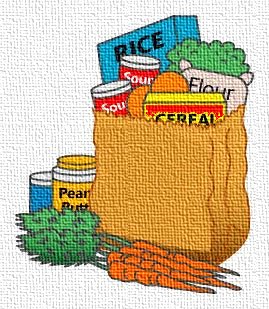
Keeping a well stocked pantry, medicine cabinet and a good supply of various household items on hand has long been recommended by various preparedness and survival experts. This strategy, however, can also be used to help save money and insulate your household from fluctuating prices.

The biggest hurdle that families on limited incomes have is that there just isn't that much disposable income with which to accumulate a stockpile of items. When you are thinking about getting the funds to acquire the tools to preserve and store food items -- and the foods also -- it can seem like an impossible task.

Instead of trying to do everything at once, I recommend you break it down into three gradual steps.

STEP ONE: Create a 'Buy Price List.'

This is a two-step process that involves writing down each item you purchase, the size and the price. If you are using paper, use a separate sheet for each major category. I use the following categories: Baking, Beverages, Bread, Canned Goods, Cleaning, Clothing, Condiments, Dairy, Dental, Grain/Dry Beans, Hair Care, Household Items (batteries, etc.), Kitchen Tools, Meat, Medicine/Supplements, Paper, Personal Care/First Aid, Pets, Produce, School & Office, Seasonings and Snacks.

There will be duplicate entries because you'll keep this up for about two to three months. Eventually, you will notice that there are times when you get a better price than others. On a separate sheet of paper, you'll write down each item you normally purchase and the best price or the 'Buy Price' for that item. An example would look like this:
Household Items -- Batteries -- AA Alkaline Batteries -- $.37 each -- $5.99 for pack of 16

This is important because your 'Buy Price List' tells you when prices have dropped to the best price for your area. When prices hit the range on your list, purchase enough to last you for 6 weeks or so. Why six weeks? Because retail stores have sales cycles that range from 6 to 8 weeks. You'll have enough of an item in your home to hold you over until it goes on sale again. This means that the same products you already purchase will (eventually) only be purchased by you when you see the price drop.


There are online sites that offer guidelines on what is considered the lowest price, but these seldom take into account things like organic vegetables and/or the ingredients that you might use if you make things from scratch. You'll want to make your own list in order to know when something like your favorite bulk herb or Bragg Apple Cider Vinegar is available for a good price.

Step Two: Combine your buy price with coupons.

I know. Food coupons often promote processed foods and less than healthy options. However, consider for a moment how many items come home in your shopping bag that aren't actually foods. You probably purchase clothing, hair products and accessories, toothbrushes, batteries, canning jars, storage bags, garbage bags, paper products, etc. By combining manufacturer coupons with sales prices, you can greatly reduce the cost of these items, leaving more money for the healthy foods you prefer.

Many stores offer store coupons in their sales fliers and on their web sites. These can be printed off at home and redeemed in the store. Most stores will allow you to use a store coupon AND a manufacturer coupon for the purchase of single item. My husband was able to use this strategy to purchase two loaves of sprouted grain bread. The store coupon and the manufacturer coupon actually totaled more than the cost of the bread. He went through the checkout and got paid to leave with some very healthy bread.


Step 3: Leverage your savings

Now that each dollar is being used to get products at lower prices, and you are stocking up on the items you regularly use, you should notice a drop in your spending. This can take a few months to kick in, but it will happen. Once this occurs, you'll have a little nest egg. Use that as seed money to invest in tools to increase your savings. Whether it's as small as a well-organized coupon book, or as large as a durable wheat grinder, tools like these pay for themselves.
Maybe you've been thinking about raising your own eggs with some backyard chickens, or you'd like to find a rock bottom price for some bulk grains, or you need to build a sturdy pantry -- whatever your needs, consider purchasing something that increases your ability to be self-sustaining and thereby further stretches your dollar.

Your savings will also allow you to collect items that would be a blessing to a family in need. Imagine how a basket of toiletries and cleaning products would be received by a family that had just lost their home. What you were able to collect for free (or nearly free) could be a great bounty to them.

If you are interested in learning more about how to effectively coupon, here are some resources I recommend:
read more “ STOCKING UP ON SAVINGS -- ARE COUPONS WORTH THE EFFORT? ”

SOME SAVING STRATEGIES

Bookmark and Share
Getting quality ingredients that are packed with nutrition has become increasingly difficult on a tight budget. Finding someone to tell you how to keep expenses down can become even more confusing because every family has different needs and there are TONS of methods for saving on groceries.

So, what I will share in this article are a few things that work for me. These are not hard fast rules. I will not send the Learn and Live Well police to your home to check for violations. These are simply guidelines that I use which have proved helpful. Hopefully, there is enough here to help you get the most for your money.

Become a Low Price Expert
Your family's grocery shopper may not have a lot of influence over the household and food budget. Regardless of your circumstances, you can make yourself a student of pricing in your area. Knowing how much an item costs -- what is actually a good price and what isn't -- will make you a smart shopper. If you've only got $5 to spend, you may as well get the most out of your limited budget. One way to do this is to start a price comparison notebook. Give a separate page for each item you regularly purchase. Include cleaning products, snacks, toiletries and food. You can use your receipts, sales fliers or just walk the aisles of your favorite store and record the size and price of each item, along with brand name and a short description. Once you know what's a good price for an item, you can watch the notices for sales and make purchases when you see the price fall to that level.


Use Basic Ingredients
Another way to save money is to stop purchasing convenience items. Processed foods don't just compromise your health, they lower your bank balance. Learning how to organize your kitchen and cook from scratch isn't too overwhelming if you just begin with one thing at a time. Mastering one dish will encourage you to attempt more ambitious things. For instance, knowing how to make bread can lead to grinding your own grain which can lead to learning how to make your own tortillas and pasta . . . . all of which will be more nutritious and less costly than the name brand item you are purchasing now. I can get organic brown rice cheaper than the regular off the shelf version by knowing how to find it cheap, store it and prepare it.

Of course, this will change the items you purchase and your price comparison notebook will reflect the change. Instead of the best price on glass and surface cleaner, you'll want to know the best price on vinegar and baking soda. The good news is that you'll automatically be spending less by purchasing the ingredients AND you'll save more on top of this by finding the best price on those ingredients.

Invest in Local Farmers
It's one thing to tell everyone they should be eating farm fresh produce, but it's quite another to find a way to accomplish it in practice. Unless you have years of farming experience and plenty of acreage outside of a residential area, you may find the task a daunting one. Not everyone has the vision and abilities that Jules Dervaes has demonstrated by turning his little city lot into a working farmstead. (Check out the Dervaes' story on www.urbanhomestead.org you might be inspired to plant a tomato or two.)

Instead, you can do the next best thing. Consider purchasing shares in a local farm. Find farmers near you that are willing to allow you to invest in their farm. These are called CSA's which stands for Consumer Supported Agriculture. Using the web site www.localharvest.org we were able to find a farmer near us that had a good reputation and a wide variety of produce. After touring his farm (and meeting his lovely family), we agreed on a price and purchased shares in all three 7-week growing seasons in our area. In addition, we were able to make arrangements to purchase some beef in advance of processing. This required some up-front money, but it also insured that we would have weekly baskets of fresh produce and a freezer full of beef without a hint of pink slime. *blech!*

Purchase Bulk Dry Goods
Organic staples like dried beans, brown rice, wheat berries, grits, corn meal, etc. can be difficult to find at good prices. One way to make sure you have them on hand is to purchase them in bulk. These are often found in 25 pound bags or larger. The dry goods can be kept in a large freezer or at controlled room temperature in pest-proof containers. I've found that placing a bay leaf in containers keeps them weevil and bug free as well as placing them in wide-mouthed canning jars that I vacuum seal using a FoodSaver Vacuum Sealer using a Wide-Mouth Jar Sealer attachment. Combining this with a well built shelving unit has freed up my freezer space (for the beef I purchased from our CSA *smiles*).

Combine Coupons With Sales on Items You Use
There are a lot of web sites out there which tell you how to accomplish this. In fact, by making so many things from scratch you will already be beating most couponers in the low price game. However, when it comes to ANYTHING you buy off the rack -- from tires to toilet paper -- you can save some MAJOR money using coupons. One store near me sells organic canned vegetables for more than $1 per can. I wait until those same items go on sale for $.60 and then load up my cart with enough to keep the pantry full until the sale hits again. I use my customer loyalty card that gives me an additional discount on certain days and saves me money when my husband gets gas for the vehicles. For more discussion on whether coupons are worth your time, check our this post: STOCKING UP ON SAVINGS -- ARE COUPONS WORTH THE EFFORT?

Here are my three favorite sites for information on how to save money with coupons.

Southern Saver -- I like this site for practical strategies and information for beginners. She includes a lot of in-store videos that demonstrate her methods. She also gives workshops. Check her calendar.

Krazy Coupon Lady -- This site helps those who already use coupons increase their savings with various strategies. They also have a really good book available on the subject called: Pick Another Checkout Lane, Honey: Save Big Money & Make the Grocery Aisle your Catwalk!

Coupon Mom -- This site includes a very handy searchable database to investigate the sales in your area and tell you where to find coupons.

Check out the coupon helps section of Morrison's Mercantile.
read more “ SOME SAVING STRATEGIES ”

MEAT FOR HUMANS MAY SOON BE GROWN IN LABORATORY

Bookmark and Share
Disembodied meat grown from cells in a laboratory may sound like something out of a freakish science-fiction plot. It isn't fiction. This technology is real. Bioengineered meat could soon be found on a dinner plate near you.

Developmental biologist and tissue engineer, Dr. Vladimir Mironov had some difficulty finding financial backing for his research. Two US government agencies declined to fund his project. For a short time, NASA provided capital for the research. The money needed to continue the project was finally provided by a well known animal rights organization. This prompted estimates that laboratory cultured meat products might be available for public consumption as early as this fall.

The process harvests embryonic animal cells -- often from bird eggs -- which are then bathed in a growth serum made from bovine material. As the cells multiply and bind together, electric shocks are administered to stimulate the formation of muscle tissue. The resulting tissue is then ground and fortified with supplemental vitamins and nutrients. Depending upon consumer preference, the food could be designed with varying texture and taste. According to Dr. Mironov it is all perfectly safe for human consumption.

Dr. Mironov is also one of the primary researchers in a separate $20 million project. This project is utilizing the same technology to culture donor organs from human stem cells.

Recent events, however, may cause both projects to have an uncertain future. Dr. Mironov has been suspended from the Medical University of South Carolina and his laboratory closed pending an investigation of allegations of unacceptable behavior. This latest development could mean that estimates for fall release of test tube meat could be delayed.


Personal scandals and projected timetables aside, there are larger health issues to be considered. Logic dictates that food from animals made sick by their environment and contaminated food is a bad choice for human consumption. It is puzzling to see that investment dollars are being directed towards attempts to develop a substitute food rather than towards farmers who raise livestock in humane and healthy conditions.

The concept of cultured meat seems to promote the illusion that water, soil, food and air can all be contaminated without any real consequences. After all, meat is just something that can be grown in a laboratory, right? These technologies seem to diminish the importance of caring diligently for the natural resources we have by suggesting that we can easily create a man-made substitute. Plants and animals provide us with immediate feedback on whether they have good food, water and living conditions. A disembodied meat patty grown in a laboratory wouldn't be expected to do the same.

Still, assurances are offered that the consumption of artificial food artificially fortified with artificial and isolated nutrients is capable of producing healthy humans.

Efforts to pass legislation to label genetically modified produce have been thwarted. The argument made by opponents is that an apple is an apple, no matter its genetic makeup. With such a precedent as this in place regarding fruits and vegetables, one can only wonder how/whether/if the general public will be informed about what they are actually purchasing from their local butcher.

I, for one, am not willing to risk the health and development of my children, grandchildren and generations to come on this 'science.'

read more “ MEAT FOR HUMANS MAY SOON BE GROWN IN LABORATORY ”

NASAL SPRAY FLU VACCINE EXPOSES POPULATION TO LIVE VIRUS

Bookmark and Share
A nasal spray influenza vaccine is being offered as an alternative to injections. This cultivated live virus is so concentrated that the person receiving it can infect others with the flu virus for three weeks after getting the vaccine. Once a person receives this spray, that person begins to shed flu virus cells. In practical terms, any time you are around someone that has received this form of vaccine -- at the grocery store, at the local pharmacy, at school, at work or other social gathering -- you risk being exposed to an artificially introduced and powerful form of the flu virus. Even if you haven’t been around a person that is sick with the flu, you could become ill from such an exposure.

Large portions of the population do not receive the flu vaccine and, in doing so, avoid having antifreeze, carbolic acid, formaldehyde, aluminum, mercury, and things grown in monkey, chicken, guinea pig, calf or embryonic cells injected into their system. Unfortunately, the administration of live virus in the form of an intranasal influenza vaccine is capable of contributing to an increased incidence of the flu among the general population.

Families with persons that are immunocompromised need to be very alert to this danger. The vaccine manufacturer warns recipients of the spray to avoid being around immunocompromised individuals. This may seem like a simple matter until you realize that immunocompromized individuals include: people with eczema, cancer, organ recipients, or people with (possibly undiagnosed) HIV or AIDS. Add to this number those individuals that are on medications such as corticosteroids that suppress immune response. These include medications given for allergies, asthma, emphysema, eczema, Crohn’s disease, herniated spinal discs, multiple sclerosis, acute muscular pain or any type of rheumatoid or autoimmune disease. A very large percentage of the population can be considered chemically immunosuppressed.

Some people have concluded that the real danger to the population is that unvaccinated people become sick when exposed to those who receive this nasal spray. Their belief is that the entire population should be willing to have annual injections or sprays in hopes of avoiding a flu strain which they most likely wouldn’t have been exposed to if it weren’t for this spray. This is a form of logic to which I cannot adhere.

Admittedly, I’m no doctor and don’t pretend to be one, but here is an evaluation of the introduction of this live virus into the population by Dr. Sherri Tenpenny:
http://drtenpenny.com/flumist.aspx


If you wish to avoid public places that are offering the flu vaccine, you can use this widget to see where those places might be located near you.


Following are three videos that show medical professionals speaking about the nasal spray vaccine.

Dr. Leonard G. Horowitz DMD, MA, MPH
offers this advice regarding the intranasal influenza vaccine.


This video is a portion of a presentation made 10/15/09
by a Registered Nurse working in Nashville.
He begins to address the intranasal vaccine at about 1:34.


Dr. Kent Holtorf, an infectious disease expert, is interviewed
about the safety of the flu vaccine.
He explains his reasons for not vaccinating his children.


read more “ NASAL SPRAY FLU VACCINE EXPOSES POPULATION TO LIVE VIRUS ”

DVD Review: HOMESTEADING FOR BEGINNERS

Bookmark and Share
HOMESTEADING FOR BEGINNERS is just the video for those who are considering the possibility of moving to the country. This video gives a delightful overview of life on a small family farm. Erin and Mark Harrison invite the viewer into their home to learn and laugh with them and their five children through the many adventures of homesteading.

You gain insight into all that it takes to get a REAL chicken dinner onto the table from the ground up – literally, from seed to supper. All of the scenes are filled with a beautiful rural setting and happy, healthy, helpful children keep popping up into almost every scene.

Learn how to make butter and cheese using kitchen tools you likely already have on hand. See how this family raises and harvests chickens and eggs. Get an introductory demonstration on wood splitting, building a simple chick pen, learn how to start seeds and tend a low-maintenance garden. Mama takes the time to show you how to freeze and can your produce and meat, gives you the recipes, and then shows you how to prepare the meal. Pamper your inner flower-child and learn how to make a wild-flower crown to adorn your head. If you watch carefully, you might spot Mike and Gabriel Pearl giving a knife-throwing demonstration.

The attentive viewer may even pick up some tips on how to incorporate child training and education throughout the busy day. Washing eggs becomes a math and chemistry lesson taught by a curly blond-headed little girl that needs a step-stool to reach her mama’s kitchen sink. It’s one of my favorite scenes in the film. A take-charge big brother is happy to demonstrate how to use scraps of wood to make signs for the garden. Listen carefully as Papa patiently explains how to milk a cow while little voices comment on the condition of the barn floor (you’ll have to rewind here as your laughter might drown him out).

Grandpa and Granny loved watching with us as little ones stole scene after scene. Grandpa said, “I can see now, if I wanted to homestead, I’d have to find some little helpers.”

HOMESTEADING FOR BEGINNERS should come with a warning label for parents that are used to children sitting peacefully in front of the television all day. After viewing this video, those children could be inspired to go enjoy the great outdoors more often. They might begin asking for some chickens or a cow of their own . . . possibly even some pigs to ride!


Available at Bulk Herb Store.
Click on the image to order.


Review an excerpt from the video here:


read more “ DVD Review: HOMESTEADING FOR BEGINNERS ”

CRUCIAL DECISIONS ABOUT YOUR CHILD’S HEALTH

Bookmark and Share
While the US medical system is one of the most advanced in the world, it is fallible. Health care workers have the same human weaknesses as the rest of us.

Regardless of their personal beliefs about the best course of care, many health care professionals are limited in the practice of medicine by treatment protocols which have been established by their medical practice, liability insurance coverage or the hospital where they have privileges. These guidelines can even restrict whether they are able to discuss alternative courses of treatment with you -- even if they believe these courses to be safer or more effective. Rather than freely administering treatments they deem best, doctors must abide by these protocols or jeopardize their employment.

Understanding the limits of medicine and medical professionals is never more important than when you are deciding upon a course of treatment for your little ones.

According to a CNN Health report, the US has the second worst newborn mortality rate among developed nations. It is more likely that a newborn will die within the first month of life in this country than babies born in Japan. US babies die at a rate 2.5 times higher than those born in Finland, Iceland and Norway. We have more neonatologists and neonatal intensive care beds than Australia, Canada and the United Kingdom. Even so, the United States’ infant mortality rate is tied with Hungary, Malta, Poland and Slovakia at five deaths per 1,000 births, near the bottom of the rankings of industrialized nations. Only Latvia has a higher death rate than the US at six deaths per 1,000 live births. This is according the 2006 annual State of the World’s Mothers report.

Infants in the US are injected with three times the number of vaccines to prevent childhood illness and death than other first-world countries. After the implementation of the Center for Disease Control’s mass vaccination programs, this country fell from 2-3 on the international infant mortality list to 41-42.

According to the CDC’s 2010 report, autism affects 1 in 110 children. Two years ago, the rate was 1 in 150 children. Medical authorities continue to insist that they cannot locate a link between this cluster of neurological symptoms and the increased volume of vaccines being injected into children. This epidemic is robbing children of their intellectual potential and our nation of its brain trust. The US government openly acknowledges that approximately 13% of the children in our nation have a developmental disability. Where else in the world is there an instance of a population with more than 10% of its children developmentally impaired?

Being proactive in the preservation of good health is far better than depending upon a flawed medical system to restore it once it has been lost. It’s time to look critically at the cost of relying upon recommendations that are dictated by something other than a calling to promote healing.

I’m of the opinion that decisions regarding our health should be made with an understanding that life is a gift and our bodies are magnificently designed. Take the time to become as informed as possible about ALL of your options before deciding upon a course that hasn’t taken these things into account.


Below, Michael Pearl discusses how his family dealt with a health care crisis after one of his children was vaccinated. His account of his experience begins at the 6:20 mark.


The video below is the story of Adam and Lana. They tell of their experience with their son and his recovery from a stroke. Conventional therapies offered them little hope for improvement and disrupted family life.


ABC News 20-20 1999 report on Hepatitis B vaccinations offered to children Part 1


ABC News 20-20 1999 report on Hepatitis B vaccinations Part 2


read more “ CRUCIAL DECISIONS ABOUT YOUR CHILD’S HEALTH ”

ADVOCATING FOR PATIENT AGAINST DR'S ADVICE -- THE ALAN SMITH STORY

Bookmark and Share
In King County, New Zealand, dairy farmer Alan Smith is alive today because his family went against the advice of health professionals.
He caught swine flu and very nearly died.

Doctors were determined to pull him off life support. The family was told there was no hope. But his wife and sons wouldn't listen.

They demanded that a treatment of high doses of Vitamin C be attempted. Something that wasn't recommended by mainstream medicine. They were told it wouldn’t work but the family insisted. The family hired a top lawyer to help them fight for the chance to see Alan recover. Thanks to their efforts, Alan is now very much alive.

Full Video
read more “ ADVOCATING FOR PATIENT AGAINST DR'S ADVICE -- THE ALAN SMITH STORY ”

THREE DAY PROMOTION FOR PREPARING TO BE HIS HELP MEET

Bookmark and Share

Preparing To Be A Help Meet is a VALUABLE reference! If you know a young person that is ready to embark on the adventure that comes as adulthood looms, you'll want to have an extra volume on hand. There is a restlessness that can tempt a young girl to adopt society’s measures of worth, romance and selection in order to feel that she is moving towards the goals of marriage, home and family. Preparing To Be A Help Meet is a book that will allow you to share its wisdom as a gift, or conduct your own Bible study.

Purchase your book from Amazon on May 11th, 12th or 13th and you’ll benefit from deep discounts with select retailers. Just follow this link to Amazon books, place your order on one of these three days and forward your dated receipt to mcohen@nogreaterjoy.org in order to receive your discount coupon codes.

ADDITIONALLY, for those that purchase TWO copies of Preparing To Be A Help Meet, you’ll receive The Vision Ebook as a FREE GIFT!


WITH YOUR COUPON CODE
RECEIVE 25% OFF ANY PURCHASE
FROM THESE QUALITY MERCHANTS

Ancient Healing Oils
Essential Oils, Aromatherapy products and valuable information resource.

Bulk Herb Store
Herbs, Books, Articles, Herbal Combinations, Teas, Salves and MORE!

Kingstone Media
Highest quality and values in media, comics, novels and DVDs

Miracle Mountain Ranch Missions
Encouragement & great resources: Bible studies, parenting, horse training, Christian life, Camps, Retreats & MORE!

More Than Alive
Bulk Herbs and Teas, Books, Berkey Water Filters, supplies for a healthy nutritional pantry, supplements & MORE!

No Greater Joy
Books, CDs & DVDs on Child Training, Homeschooling, Marriage and Bible studies. Discover the secrets of joyful family life!


HOW TO QUALIFY FOR DEEP DISCOUNTS:

ON MAY 11TH, 12TH OR 13TH 2010 follow THIS LINK to Amazon and place your order
Forward your Amazon receipt to mcohen@nogreaterjoy.org to receive your coupon codes.
NOTE: All coupon codes expire on 5/17/10 at 11:59 p.m. Pacific Time.

For additional details, follow this link.
read more “ THREE DAY PROMOTION FOR PREPARING TO BE HIS HELP MEET ”

ARE THERE HEALTH CONCERNS WITH MICROWAVE OVEN USE?

Bookmark and Share
Microwave ovens have been used in US homes for more than forty years. As long as the manufacturer’s procedures are followed, the FDA guidelines state that these are safe.

The War Department of the United States had detailed research on microwave ovens years before they were made available to the public. At the end of the second World War, this research was acquired. In search of an efficient way to provide meals to troops invading Russia, the Nazis had developed the first microwave ovens. The War Department of the United States held the Germans’ documented research for later study.

The Russians also acquired some of the German microwave ovens for biological testing. As a result of that testing, the Soviets issued international warnings about the health and environmental hazards of using microwave ovens and outlawed their use in Russia. Strict environmental limits were urged by Eastern European scientists who agreed with the Russian findings.

Thousands of workers that had been exposed to microwaves during the development of radar in the 1950s were tested by the Russians. It was determined that just being exposed to the energy field was enough to create health difficulties. The findings of the Russian scientists led to industry guidelines that limited exposure for industry workers to 10 microwatts and for civilians to 1 microwatt.

Adrenal exhaustion, anxiety, cancer, cataracts, dizziness, eye pain, hair loss, headaches, high blood pressure, inability to concentrate, irritability, ischemic heart disease, memory loss, nervous tension, an increased incidence of appendicitis, reproductive problems, sleeplessness, stomach pain, and chronic stress were found to be symptoms of microwave sickness experienced by those exposed to microwave radiation. Such symptoms would suggest inflammatory issues.

Russian teams of forensic scientists also studied the effects of microwave cooking on foods and the effect those foods had on people that ate them. Their findings were that ALL foods cooked in microwave ovens were damaged molecularly. Meats had destroyed and destabilized proteins and contained cancer-causing agents. Fruits and vegetables (chiefly root vegetables) cooked in a microwave formed free radicals. The basic substances found in fruits and vegetables had lowered levels of metabolic activity which interfered with digestibility and nutrient absorption. Subjects that ingested these items experienced digestive disorders caused by the inconsistent catabolism of micro-waved foods. This included an elevated number of intestinal cancers and cellular degeneration of peripheral tissues. Testing confirmed changes in the immune system and blood. Cancer cells were found elevated in the blood and were accompanied by malfunctions of the Lymphatic system which caused degeneration of the immune system.

Many US cooks decried the use of microwave ovens when first introduced. There were hot debates on whether tampering with the molecules in foods would make them unsafe for consumption. The results of the Russian research raised concerns that were shared by other countries which also banned microwave ovens. In the United States, citizens were assured that microwave ovens were safe for food preparation.

Perestroika arrived in 1987 and Russia removed the restrictions on microwave ovens.


Dr. Mark Vinick explains how microwaves cook violently,
changing and damaging foods and the nutrients they provide.


By 1991, the assurances of safety had reached the surgical staff of Hillcrest Medical Center located in Tulsa, OK. A successful hip replacement procedure had been performed on Norma Levitt, and she was still in the operating room. Because the blood warming device was not working that day, a unit of her own blood was warmed by placing it into a microwave oven located in the employee lounge. Within minutes of receiving this blood, a blood clot killed Norma. The hospital defended its actions saying that Norma’s death had nothing to do with her micro-waved blood; the FDA published warnings against use of a microwave oven when warming blood products.

Before Norma’s demise, scientific studies were being conducted by Dr. Hans Ulrich Hertel on the effects of micro-waved foods on humans. People that ate foods on an empty stomach submitted blood samples before and after eating. Comparisons were made between the blood of persons that ate raw foods, foods cooked conventionally and micro-waved foods as well as to the samples taken before eating. There were considerable variances in the blood samples of the volunteers that ate micro-waved foods. Dr. Hertel’s findings showed that eating micro-waved foods generated changes in the blood that mirrored the cancer’s pathology.

It was determined by Dr. Hertel that definite risks to health were associated with foods prepared using a microwave oven. He further stated that eating foods subjected to microwave cooking would have cancerous effects on human blood. In December of 1991, the Journal Franz Webber published his findings along with an article about Dr. Hertel.

Trade laws and the Swiss court were used by manufacturers of microwave ovens to silence Dr. Hertel, threatening him with personal ruin if he disclosed his findings. Dr. Hertel was prohibited from further publication of his studies and found guilty of “interfering with commerce” in March of 1993. This judgment was overturned August 25, 1998 in Strasbourg, Austria. The Swiss government was ordered to compensate Dr. Hertel.

Regulatory agencies, retailers and manufacturers insist that these appliances pose no health risks. These assurances however, are contradictory to the findings of published studies that find otherwise. It is worth it to take the time to judge not only how best our foods should be farmed and collected, but how those foods should best be readied to grace our table.


ALICE WATERS is interviewed for a 60 Minutes segment by Leslie Stahl.
In the clip below, Leslie asks, "Where’s your microwave?"
Alice: "I don't have a microwave."
Leslie: "How do you live without a microwave?!"
Alice: "I don’t know how you'd consider to live WITH one."


read more “ ARE THERE HEALTH CONCERNS WITH MICROWAVE OVEN USE? ”

BEFORE YOU USE ASPARTAME, THINGS TO KNOW

Bookmark and Share
Aspartame is a chemical food additive that has been deemed safe for human consumption by the FDA. However, Aspartame presents many difficulties when ingested.

When stored for a long time, Aspartame breaks down into the chemical Diketopiperazine. This chemical can also occur after Aspartame is eaten. In both animals and humans, Diketopiperazine has been shown to cause cancer, especially in the form of brain tumors.

Once ingested, Aspartame breaks down into three primary components.

PHENYLALANINE
It is difficult for the human body to metabolize and get rid of Phenylalanine. At high levels, it builds up in the brain and can cause neurological problems such as schizophrenia, depression, and seizures.

ASPARTIC ACID
Nearly half of Aspartame is Aspartic Acid. Aspartate is another name for Aspartic Acid. High levels of Aspartic Acid in the brain can over-stimulate cells and cause them to die. Over time, this can damage neurons and lead to Parkinson’s, memory loss and many other neurological conditions.

METHANOL
Methanol in Nature
Methanol exists in nature in fruit. However the methanol in fruit is bound to pectin. The human body lacks the enzyme to split methanol off from pectin, so this is passed through the body without doing any damage (when consumed as naturally occurring in fruit).

Methanol As a Component of Aspartame
In Aspartame, 10 percent of the substance is unbound Methanol. Unbound Methanol is a poison. The human body’s attempt to deal with unbound Methanol produces results in formaldehyde. Formaldehyde is a cumulative toxin that is stored in the human body indefinitely.

Another way that Methanol is released is by storage in conditions warmer than 86 oF. This can also occur when cooking with aspartame. Some speculate that Desert Storm Syndrome’s symptoms can be attributed to formaldehyde poisoning that resulted from heavy consumption of methanol in aspartame sweetened drinks stored in hot conditions. Some of the symptoms of methanol poisoning include depression of the central nervous system, blindness, dizziness, headache, nausea, confusion, loss of coordination, and in very large doses, unconsciousness and death.

For a more extensive list of possible side effects of Aspartame consumption, type ‘aspartame side effects’ into your internet search engine.

WHAT SHOULD I DO?
* Remove all sugar-free products with Aspartame from your diet.
* Use natural sweeteners like honey (in moderation) and stevia leaf.
* Keep a record of health changes. Don’t ignore symptoms.
* Detoxify.
* Exercise to help move toxins out of your system.
* Restore depleted nutrients by consuming nutrient dense foods.
* Get uninterrupted rest in a DARK room.
* Drink plenty of the purest water you can get.

This article is for information purposes only and should not be taken as medical advice. It is the responsibility of the reader to carefully consider all options and weigh the risks of decisions that could affect health.


ASPARTAME: SWEET MISERY A POISONED WORLD


read more “ BEFORE YOU USE ASPARTAME, THINGS TO KNOW ”

LISTEN TO MY DREAM BY DEBI PEARL – A TRIBUTE TO DR. MARTIN LUTHER KING, JR

Bookmark and Share
Dr. Martin Luther King, Jr. is the subject of Debi Pearl’s latest book, LISTEN TO MY DREAM. The poetic text is filled with colorful illustrations produced by Debi and her husband, Michael Pearl. This book is one that is well suited to reading aloud to little ones. A summary of the Civil Rights movement and Dr. Kings leadership in it is included at the end of the book.

During the 1960s, Debi Pearl lived near Memphis, Tennessee. She observed how Jim Crow laws dictated how people could treat each other based on the color of their skin. She listened to the speeches, heard the arguments and knew the turmoil and upheaval that occurred when Dr. King was assassinated. She was there to see the ‘Whites Only’ signs disappear. Debi knew what life was like before Dr. King led the way to change; she had lived it.

When she had children of her own, she told them about what she had experienced and the children wanted to know more about this man. These children had never encountered the restrictions that had been Debi’s reality. These children had not encountered the widespread hatred she described. For all his work, the local library was only able to produce one children’s book about this man. Because of this lack, Debi wrote LISTEN TO MY DREAM for her own children more than 20 years ago. After an attempt to publish the book that went awry, the book was placed in storage where last year another child found it and began to ask some of those same questions she’d heard years ago. This time, Debi determined the book would be published, and this newest generation of children would hear about Dr. Martin Luther King, Jr.

But there was more to Dr. King than his work to change society. He was a preacher, a husband, a father and a man. Michael Pearl, Debi’s husband, is a preacher also. “What will you say,” I asked her, “If someone points out areas of faith where you disagree with what Dr. King taught? How do you offer this tribute to a man that questioned things your husband preaches are basic, foundational truths?”

Debi replied simply, ‘My issue is that things changed because he spoke out. This man wasn’t perfect. He was used by God to change history. He made a difference. Children need to know what a difference one man can make.’

And that is a timely reminder for all of us, whether or not we are children.


Now is the time to order your copy of LISTEN TO MY DREAM during the AMAZON BLITZ, JANUARY 5th, 6th and 7th. With your proof of purchase from Amazon.com, you’ll receive a 25% off discount code on merchandise from these high quality retailers: www.AncientHealingOils.com, www.BulkHerbStore.com, www.CFishClothing.com, www.KingstoneMedia.com, www.MoreThanAlive.com, and www.NoGreaterJoy.org.

Additionally, you’ll receive the following free ebooks: Herbal Alternatives (More Than Alive), African American Faith in America. For those that order in quantities of 8, 16, or 24, additional free gifts will apply.
See www.DebiPearl.com for details.

Email your dated receipt from Amazon to Mel Cohen to receive your coupon codes. Your book must be purchased January 5th, 6th or 7th in order to qualify for this special offer. All coupon codes expire 1/11/10 11:59 p.m. Pacific Time.
read more “ LISTEN TO MY DREAM BY DEBI PEARL – A TRIBUTE TO DR. MARTIN LUTHER KING, JR ”

THE GIFT OF GIVING

Bookmark and Share
More than 25 years ago, a friend gave me a decorative ceramic tile for my kitchen. The tile is a trivet that protects the counter from hot plates and pots. This little tile has survived several moves, been glued back together and lost the loop on its back for hanging, but it remains in a place of honor.

On the face of the tile are two lines from the end of a poem called “The Art of Living.” Even today, these words touch me deeply because there is something precious in being able to give something to those we encounter. I remember loathing occasions where I was expected to bring something to share because I always focused on my lack. I reached a turning point when I started looking at what I DID have.

TIME
The gift of time is a most precious thing. It takes very little in material wealth to be able to make someone else feel special. One of my children still has memories of the week that he fell asleep each night listening to the sound of a used sewing machine chugging along. He was surprised with a super-hero costume, complete with a cape. A couple of months ago, I was organizing a closet and found where he had kept the mask and a shirt I’d made him those many years ago.

SKILLS
My grandmother used to spend several weeks each year crocheting treasures that were given to her dear ones at Christmas. She was never rushed or pressed and she made creative use of the materials she had.

THINK CREATIVELY
Creativity requires me to first be grateful for what I DO have and then ask myself how I might share it. Only then can I focus on the possibilities. Used and free items can be given a second life by personalizing them with a coat of paint or other decorative items. How many kids do you know that would love a custom-painted bicycle or a hand-stenciled chair? Because creativity requires a little planning, you’ll have to train yourself to look for opportunities. What skills do you have? Can you get a small item and add to it? Are there some materials on sale in the off season that can be used later? Is there someone that would benefit from your extras? Do you know someone that would love to give their old craft items, sewing supplies or tools a good home?

PASSING IT ON
As I’ve gotten older, it has been my goal to not just make the special moments happen for my children, but to involve them in the preparation so that they too enjoy the gift of giving. While I might be learning a particular craft/skill, my children are helping design labels and packaging and then enjoying the fun of sharing those gifts with those we encounter. Often, we make items with no particular person in mind. We might spend a couple of hours baking cookies while we enjoy trying to guess who will cross our paths that we might bless.

We’ve found that it is great fun to give things to people that weren’t expecting it. . . . and I believe that you become richer in the process.

Oh, the poem? Here it is. I’ve not been able to discover the author’s name.

THE ART OF LIVING
To touch the cup with eager lips and taste, not drain it;
To woo and tempt and count a bliss, and not attain it;
To fondle and caress a joy, yet hold it lightly;
To watch the sunset in the west without regretting;
To hail its advent in the east, the night forgetting;
To smother care in happiness, and grief in laughter;
To hold the present close, not questioning the hereafter;
To have enough to share, to know the joy of giving;
To thrill with all the sweets of life -- that's living.
read more “ THE GIFT OF GIVING ”

LISTEN TO MY DREAM BY DEBI PEARL

Bookmark and Share
History shows that some men have the ability to call to others to rise, stand and be counted for something greater than self. These are the purveyors of hope, individuals that spur others on to a higher calling, a nobler purpose. These are they which inspire and cause us to believe in possibilities, to dream of more.

Such was the life of Dr. Martin Luther King Jr. He stands in stark contrast to those that grasped at the spotlight for the sake of prominence and fame. He didn’t just push for change in the laws that governed access and opportunity; he pressed for hearts to be moved to do the right thing. He encouraged others to live their lives in pursuit of excellence.

It should not be surprising then that a grandmother in a rural community of Tennessee found Dr. King a fitting inspiration for her tribute: LISTEN TO MY DREAM.

This is Debi Pearl’s first venture into children’s literature. With her husband, Michael Pearl, as illustrator, Mrs. Pearl has managed to produce a work that continues the call of Dr. King to the next generation. The book will be available starting December 15, 2009 and was made possible with the cooperation of the Heirs of the Estate of Martin Luther King, Jr. Watch for more details here so that you can reserve your copy of LISTEN TO MY DREAM by Debi Pearl.
read more “ LISTEN TO MY DREAM BY DEBI PEARL ”

PARENTAL PREPAREDNESS

Bookmark and Share
Parents want to protect their children when surprising circumstances arise. Being prepared helps whether the electricity is out or you’ve been stranded unexpectedly.

PREPARED, NOT PANICKED
The temptation to panic is dangerous when in an emergency (reference: RULE OF 3'S TO SURVIVE). Young ones will mirror your feelings. Your efforts to be prepared will give you the confidence you need to reassure your children.

RELEVANCE OF ROUTINE
Look for creative ways to implement a daily routine for the sake of your children. This is comforting and offers a sense of stability from the parent to the child.

PASTIMES
Amusements help pass the time when you are unable to travel. It is unlikely that you will have access to a source of power to operate electronic games. Craft supplies are wonderful to have on hand; this includes play dough, scissors, paper, tape, markers, glue and other assorted items. Take the time to introduce your children to board games, dolls, toy cars, blocks, puzzles and reading in order that they will be welcomed ‘old friends’ should they need entertainment. It is also wise to keep educational materials stocked (items such as work books, flash cards, pencils, reference books, etc.) in the event you find organized schooling is no longer an option.

HEALTHY ON PURPOSE
While access to remedies and treatments are available, utilize them to maintain your dental and overall health. It is far better to meet unexpected events with well-maintained health rather than ailments worsened by neglect. Stock any medicines required by your family members. Get into the habit of observing the sleeping, eating and toilet patterns of your family members so that you will detect illness early and be able to deal with it proactively. Train yourself to be observant of the impact circumstances are having on your loved ones. Otherwise, it will be easy to remain focused on your own challenges to the exclusion of others.

AVOID FAKE FOODS
The foods you consume today will affect your health tomorrow. Without proper training children could refuse to consume proper amounts of nutritious foods. Taste buds can be trained to appreciate a variety of tastes and textures available in real foods, but this can be difficult if the pallet has been compromised with processed foods and sugars. Take time to introduce new foods gradually in the diet. Learn about nutrition and basic food preparation -- and teach your children about these things also.

INFANTS & BABIES
A baby doesn’t require lots of gadgets for proper care. Just as yesterday’s mothers didn’t require music players, pacifiers, disposable diapers, bouncy seats, carriers, cribs and other accoutrements for infant care, neither are they necessities today. Babies need to be kept fed, clean, dry and warm.

Nursing an infant is a skill that can be learned. Breastfeeding is worth the time investment as it is beneficial to both mother and infant. This can help insure that the smallest family member has a ready supply of nourishment. For bottle-fed babies, you will need to keep formula in stock.

Infants require protection from extremes of cold and heat as their bodies aren’t yet able to regulate temperature. Babies need to be shielded from the summer sun. Umbrellas are useful for this application. Layering clothing in the winter will help protect little ones from the cold. Zippered fleece sleepers can be placed over long thermal underwear for nighttime warmth. Two or three persons sharing a single bed helps to retain warmth during the night. Wool socks, hats and zippered fleece jackets can keep babies warm during the day.

SANITATION
During cold temperatures or when water is scarce, there is no need to expect that baths will be a daily occurrence. Select the warmest area you can find and show children how to quickly wash their face, hands, genitals and feet each day. Become diligent about washing hands before meal preparation and before eating. This becomes even more important when conditions are primitive. Take the time to teach older children about latrine construction, placement and proper disposal of waste.

USEFUL ABILITIES
Learning life skills gives children more confidence in uncertain circumstances. Teaching your children how to shop, stock a pantry, pitch a tent, build a camp fire, sew, repair small engines, perform CPR, first aid, garden and swim is an investment. Understanding what to do during a fire drill, how to fend off an attack and having practiced other scenarios are real confidence builders. Prepared children aren’t as likely to fall apart emotionally.

When preparedness is made part of your daily living, your children will be better equipped to deal with emergencies. Rather than be fearful, your young ones will understand what is necessary to manage a crisis. Strengthen your family today with these measures.
read more “ PARENTAL PREPAREDNESS ”

HICCUP REMEDIES

Bookmark and Share
The easiest way I’ve found to stop hiccups is to take a small spoonful of honey. It has worked every time for my family and usually within five minutes.

A very full stomach can cause hiccups and these usually go away on their own. Things that contribute to hiccups include eating too quickly, swallowing too much air, changing the stomach’s temperature by drinking a cold and then a hot beverage or emotional excitement.

The reason that honey works to stop hiccups is that it helps to increase the level of carbon dioxide in the blood. Other remedies include taking a teaspoon of maple or agave syrup, eating a teaspoon of sugar, taking a teaspoon of peanut butter, holding your breath while counting slowly to 10 or higher, drinking a cold glass of water, or breathing into a paper bag.

While hiccups are not often painful, they can be a nuisance. It’s nice to have simple and effective remedy.


NOTE: This article presents ideas and information designed to enrich the reader. This is NO substitute for personalized professional care. The opinions and ideas expressed are fallible and that of the author. Readers are encouraged to be well-informed and draw their own conclusions.
read more “ HICCUP REMEDIES ”

MAKE YOUR OWN WIPES

Bookmark and Share
I began making personal wipes as a way to save money on baby wipes. However, the usefulness and economy of these wipes have outlasted diapering and potty training adventures. They are great for freshening up when camping or traveling.

My babies went without rashes from chemical additives, fragrances and preservatives used in commercial wipes. I have found that the anti-fungal additives and preservatives are only needed if the bucket is not cleaned with a vinegar rinse between uses and/or if tap water is used instead of filtered or distilled water.

The recipe I use is simple. There are recipes that call for adding lotions, oils and various preservatives. I don't use them and my wipes stay fresh. ~ I avoid all of those and have wipes that remain fresh.

You will need a gallon-sized plastic bucket with a snap-on lid. Cut a small hole in the center of the lid. Clean the bucket carefully with hot water and soap. Rinse with vinegar and water. This will keep mold from forming. If mold forms the wipes will have an unpleasant odor and can contribute to diaper rashes.

Use a roll of Bounty Big Roll select-a-size paper towels. You can find cheaper paper towels, but they will fall apart. Cut the paper towel roll in half. A long serrated knife works best for this. One roll will supply wipes for two buckets.

Add two tablespoons of hypoallergenic baby bath soap to two cups of filtered or distilled water (not from the tap). Stir this well and pour into the bucket.

Remove the cardboard center from one of the half-rolls of paper towels. Place the half-roll, cut side down, into the bucket, threading the first sheet from the center of the roll through the hole in the lid and then snap the lid closed. In about 5 minutes, the towels will have soaked up the water and will be ready for use.

The ratio of 2 tablespoons baby bath soap to 2 cups water doesn't leave a yucky residue on baby’s skin. Using hypoallergenic liquid baby bath soap (or homemade), my babies didn’t have a problem with rashes. The pediatrician thought it was magic. I think it’s just because I had an economical and easy way to make sure my babies were clean and dry. I saved even more money by not needing additional lotions and potions to treat irritated bottoms. As a bonus, wipes can be used in place of hand sanitizers and makeup remover wipes.

WHAT IF THE BUCKET IS TOO BIG FOR MY BAG?
Just pull several wipes from your bucket dispenser and place them into a water tight, clean re-sealable container. This can be a zippered bag or a snap-tight sandwich container. As with the bucket, clean these containers between uses with a vinegar and water rinse and dry them.

CAN I MAKE MY OWN LIQUID SOAP?
Grate a 4 to 6 ounce bar of homemade soap (or Fels-Naptha). Warm about 4 of cups of filtered (or distilled) water to boiling. Gradually add your grated soap and stir in each small handful so that you don’t have a clump of soap and the flakes have time to melt. When the soap is melted, blend this with enough filtered or distilled water to make a gallon. This will thicken as it cools. Use in place of baby bath soap in your wipes. It will also serve as a refill for your soap dispensers.

ALTERNATE BABY OILS
If your baby does get a rash, I recommend applying coconut oil to clean, dry skin. Coconut oil has anti-microbial properties and hasn’t any of the fragrances or petroleum products that are found in many over the counter products. Extra virgin olive oil is another nice oil for baby’s skin.


This article is for information purposes and designed for the reader’s benefit. Utilize these methods at your own risk, using discretion. Readers are encouraged to be well informed and draw their own conclusions.


read more “ MAKE YOUR OWN WIPES ”

DAISY CHAIN EDUCATION

Bookmark and Share
Wouldn’t it be great to have an activity to do with your children that is always new, but reinforces learning skills with repetition? How about having a good reason to sit and relax while tying heart strings and making memories?

You can do all of this by making flower garlands and chains. If you have a son, tell him you are teaching him an important skill so that he can make his wife feel pretty one day. A daughter will feel like a princess with a crown upon her head.

For this project, you will need flowers with sturdy stems. Many wildflowers work well for this project, including asters, bachelor buttons, black-eyed Susan, chrysanthemum, daisies, dandelions, globe amaranth, marigolds, red clover, tithonia, and zinnias.

Practice counting skills as you collect 25 to 30 flowers. Once you have them in a bunch, let your child help you sort them into equal piles. Sort them by colors or size.

Other learning opportunities are identifying the plants and flowers. Which ones are edible? What are other uses? What are the parts of the flower? Where are the pistil (made up of the stigma, style and ovary) and the stamen? What are their functions? You get the idea.

Picking the flowers requires your child to use fine motor skills as he or she learns how to grasp the stem and pull firmly but gently. Reaching for the gently bobbing flower heads requires eye-hand coordination.

Sit together with your child and show him how you use your thumb nail to gently pierce the stem just below the flower’s head. Place the stem of a second flower through this hole. Then pierce a hole into the second flower’s stem, below the flower’s head. Let your child help place the third stem through the second flower’s stem. Again, you are developing fine motor coordination.

Continue this process until you’ve created a chain of flowers long enough to encircle your wrist, neck or head. On the last flower’s stem, make a slit long enough to allow the first flower’s head to slip through. Then you can knot the stem and either trim the ends of the remaining stems or braid them into the wreath.

Place the finished wreath upon your head or upon your child’s head and exclaim, “Won’t Daddy be so proud!”

When someone asks your child what you did that day, they might hear about how you taught them to wear flowers, make bracelets, or that you just sat outside and had fun. You’ll know that you practiced fine motor skills, while learning about botany, counting, color identification, sorting and how to sit still to see a task to completion. All of these are valuable learning tools that every child needs, but your child will gain them while hearing you teach him songs, tell him funny stories and wonder at God’s creation.

Page 224, THE VISION by Debi Pearl
"We lay there together, our heads close and our fingers intertwining. Her eyes sparkled with delight as she handed me a long-stemmed clover and ask me to teach her how to weave a crown for her head. . . . .
“She ran about picking clover to bring to me. I poked my thumb nail into the stems to make tiny holes in order to threaded another stem through it until I had made chains of red and white clover to wind around her head."


read more “ DAISY CHAIN EDUCATION ”